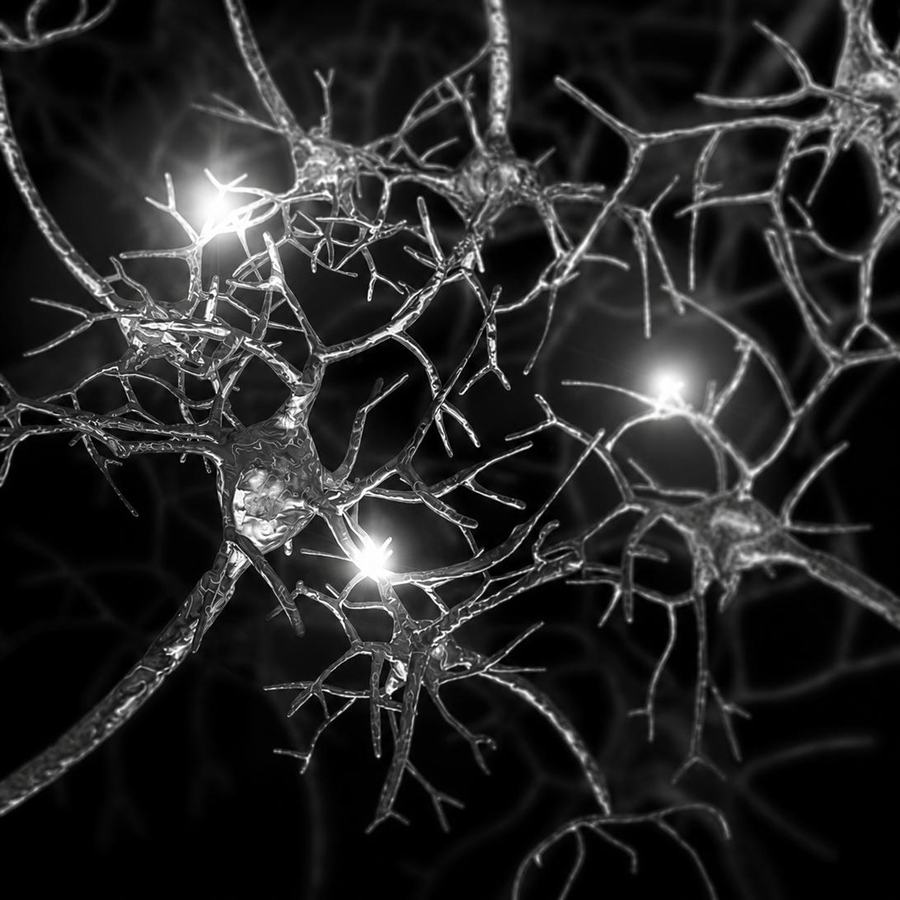
Stop.Still draws from research across stress physiology, nervous system regulation, breathwork, HRV, recovery, fatigue, decision-making and human performance under pressure.
20+ years on the frontline where decision quality under load is the only metric that matters.
Leading-edge science on stress capacity, recovery and adaptation under pressure.
How the autonomic system responds under threat and how it is retrained.
The cognitive and motivational mechanics of executing skill under the highest stakes.
Sustained sympathetic activation degrades attention, communication and decision-making. Regulation tools can help shift activation states.
Meta-analysis · Stress & HRV ↗Structured down-regulation practices can help shift autonomic state and support recovery between high-load events.
The vagus nerve: a cornerstone ↗Slow, paced breathing is associated with parasympathetic engagement and may support composure, focus and recovery.
A5:2 method — paced breathing ↗Higher heart rate variability is associated with better stress recovery and self-regulation capacity.
HRV & self-regulatory capacity ↗A 2025 study published in Scientific Reports found that slow, controlled breathing altered electrical activity in the brain (EEG), increasing activity across delta, theta, alpha and beta frequency bands. Participants also experienced lower heart rates and reduced emotional reactivity when faced with uncertainty.
Scientific Reports · 2025 ↗Chronic occupational stress is associated with disengagement, absenteeism and turnover.
Occupational stress: risk & impact ↗Building worker capability to recognise, regulate and recover is one element of a broader psychosocial risk control approach.
Supporting ED workers' well-being ↗Brief, structured digital interventions may support adherence and skill consolidation alongside in-person training.
Effectiveness of digital interventions ↗Everything that happens to performance under pressure happens in the body first. Not in the mindset. Not in the attitude. In the nervous system, the breath, the heart rate; measurable, trainable systems that respond to real inputs.
This is the insight that separates Stop.Still from every other performance program. Most training tries to change thinking. Stop.Still changes physiology and lets the thinking follow.
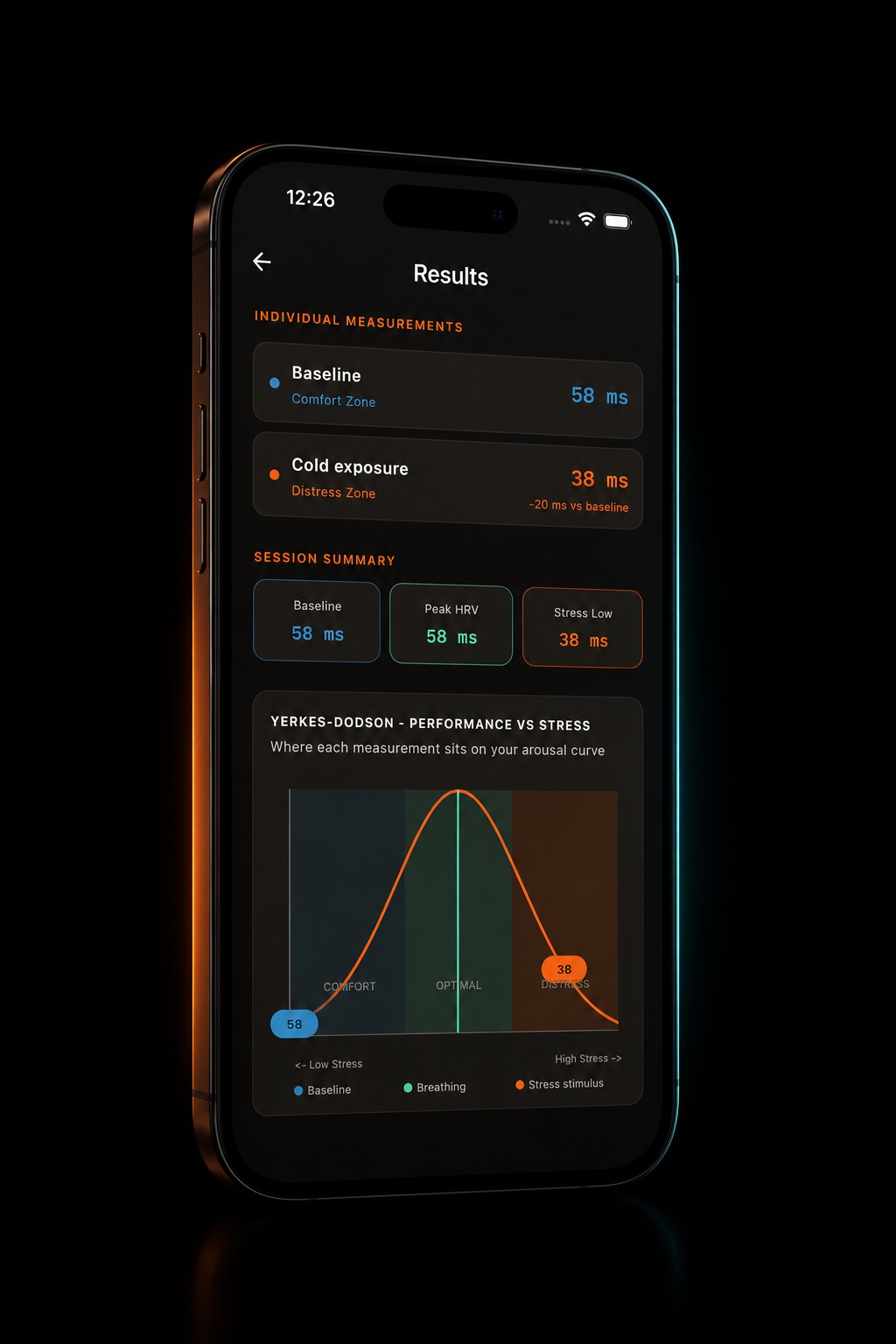
Heart Rate Variability is the primary metric Stop.Still trains against. HRV varies significantly between individuals; what matters is your own trend over time, not comparison to others.

More variation signals a flexible, responsive nervous system. Less signals a system locked into sustained stress with reduced recovery capacity.
When sympathetic activation is high, HRV drops. When parasympathetic tone is high, HRV rises. Not self-reported — what the body is actually doing.
Breath training activates the parasympathetic nervous system and drives measurable HRV improvement, session by session, over 30 days.
Stop.Still does not provide medical advice. HRV measurement gives every participant objective data about their own stress capacity.
more correct answers on a 30-minute business decision-making task after just 2 minutes of vagal breathing. Participants who performed slow vagal breathing before the task produced significantly more correct answers than controls, and reported no rise in stress while controls did.
The mechanism is the same one Stop.Still trains: vagal activation lifts HRV, HRV lifts prefrontal regulation, and a regulated prefrontal cortex is where better commercial decisions are made under time pressure, with incomplete information.